Chronic back pain is one of the most common reasons people seek medical care and miss work. Unlike sudden injuries, long-term back pain often results from ongoing movement imbalances, muscle weakness, or spinal conditions that worsen over time. Finding lasting back pain relief requires more than rest or over-the-counter medications. A focused, individualized plan that addresses the root causes can offer both comfort and improved function.
At Springfield Physical Therapy & Sports Rehab, physical therapy offers a proven path to reduce discomfort and regain control over your movement. With the right approach, even long-standing back pain can be managed effectively and safely.
Why Chronic Back Pain Persists
Back pain that lasts for more than 12 weeks is considered chronic. It may start after an injury or develop slowly due to repetitive strain, poor posture, or sedentary habits. The spine is a complex structure of bones, discs, nerves, muscles, and ligaments. When even one part becomes irritated or weakened, the rest of the system must compensate. This often leads to tension, stiffness, or nerve involvement.
Common Causes of Chronic Back Pain
- Disc degeneration or bulging
- Spinal stenosis
- Postural strain from desk jobs or heavy lifting
- Muscle imbalances between the core and lower back
- Scar tissue or inflammation from past injuries
A key part of relieving back pain is identifying and treating the specific causes rather than just masking symptoms.
Physical Therapy: A Foundation for Lasting Back Pain Relief
Unlike temporary solutions, physical therapy helps correct the movement patterns and weaknesses that contribute to ongoing pain. At Springfield Physical Therapy & Sports Rehab, we begin with a detailed evaluation of posture, muscle strength, joint mobility, and body mechanics. From there, your therapist creates a plan to restore alignment, relieve pressure on affected tissues, and rebuild stability through targeted exercises. Treatment may include:
- Manual therapy to improve spinal mobility and reduce tension
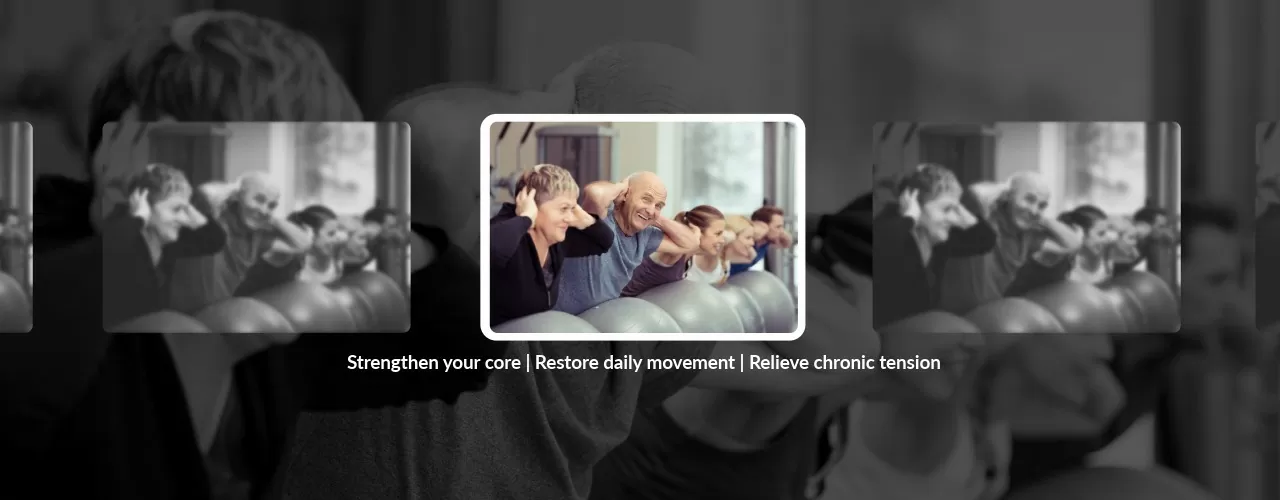
- Core strengthening to support the spine and reduce stress on the joints
- Stretching routines to improve mobility in the hips and lower back
- Neuromuscular retraining to correct how your body moves and balances
- Education on safe lifting, posture, and daily activities to avoid future flare-ups
These evidence-based strategies are designed to help you feel better and move more confidently in your daily life.
Back Pain Relief: What Really Works
Here are some of the most effective physical therapy techniques used to achieve sustainable back pain relief.
1. Core Stabilization
Your core muscles include more than your abs. The deep stabilizing muscles around your spine and pelvis play a major role in keeping your back supported. Weak or inactive core muscles can increase pressure on the lower back during movement.
Physical therapy focuses on controlled exercises that activate the deep abdominal muscles, pelvic floor, and glutes. This builds a foundation for better posture and safer lifting or bending.
2. Improving Hip and Thoracic Mobility
When your hips or upper back are stiff, your lower back often compensates. This overuse can lead to irritation and pain over time.
Our therapists guide patients through mobility drills that target the hips and thoracic spine. Improved mobility in these areas helps distribute movement evenly and reduce strain on the lower back.
3. Postural Correction
Prolonged sitting, slouching, or looking down at devices can shift the spine out of alignment. Over time, this creates muscle imbalances and increased pressure on discs and joints.
We teach patients to recognize poor posture and make small daily adjustments. In-clinic exercises also retrain the back and neck muscles to maintain better alignment naturally.
4. Functional Movement Training
Many patients with chronic back pain have trouble with daily movements like bending, lifting, or transitioning from sitting to standing. Therapy helps retrain these basic movements so they can be done safely and without pain.
Functional training may include squatting with proper hip hinge mechanics, engaging the core during movement, or practicing balance to improve coordination.
5. Education and Long-Term Planning
A major benefit of physical therapy is the emphasis on patient education. You will learn how to manage symptoms, prevent re-injury, and continue progressing even after formal sessions end.
Your therapist may provide a long-term plan with home exercises, ergonomic tips, and lifestyle suggestions to help you maintain your results.
Get Personalized Treatment for Back Pain Relief at Springfield Physical Therapy & Sports Rehab
Every patient experiences pain differently. That is why your recovery plan should reflect your goals, lifestyle, and condition. At Springfield Physical Therapy & Sports Rehab, our team listens carefully to your concerns and builds a strategy around your needs. Whether your pain is new or has been around for years, we are here to help you move better and feel stronger.
If you are ready to take control of your symptoms, contact Springfield Physical Therapy & Sports Rehab today to schedule your evaluation. Let us help you find real, lasting back pain relief through expert care and individualized treatment.